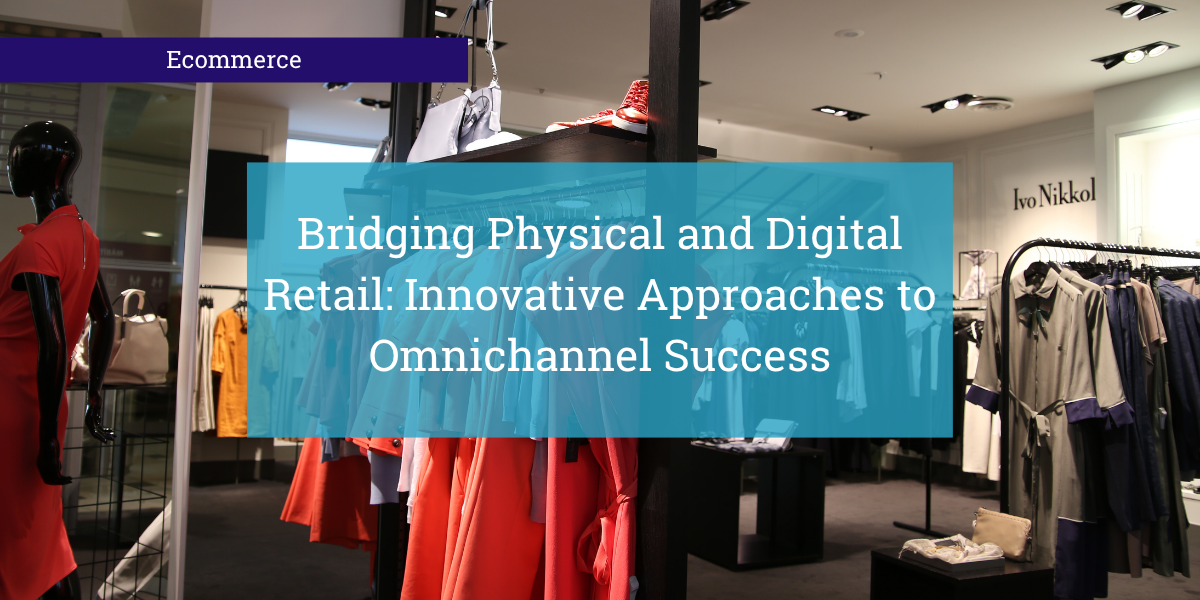
Brands that dominate the brick-and-mortar landscape often face unexpected challenges when transitioning their success into digital spaces. This struggle isn’t merely about setting up an e-commerce store. It’s about creating a seamless, cohesive experience that integrates online and offline channels, especially in highly regulated industries like health, wellness, alcohol, and supplements, where compliance, logistics, and personalization layers complicate matters quickly.
Successful brands don’t simply replace their physical presence with digital. They blend both strategically, capitalizing on each channel’s strengths. Here are some innovative approaches that effectively bridge this divide:
1. Harnessing In-Store Data for Personalized Online Marketing
Physical retail offers unique insights into consumer behaviors that, when effectively leveraged, can dramatically enhance online marketing efforts. Brands like Sephora have pioneered this by using in-store purchase history and loyalty data to personalize digital content. Customers receive tailored product recommendations and exclusive online offers based on their physical shopping habits, creating a highly personalized omnichannel experience that significantly boosts engagement and sales.
2. Synchronizing Fulfillment and Inventory Across Channels
Inventory misalignment can cripple customer satisfaction. Innovative companies, such as Target, have invested heavily in real-time inventory tracking systems. By synchronizing online and offline inventory, these brands enable customers to view and purchase available products seamlessly, whether they’re shopping in-store or online. This synchronization not only reduces frustrations like stock-outs but also optimizes supply chains, cutting costs and improving customer loyalty.
3. Leveraging Physical Locations for Rapid Fulfillment and Easy Returns
Physical stores are no longer just sales points; they’re becoming integral to logistical strategy. Brands like Best Buy and Walmart have effectively turned their stores into local distribution centers. Customers benefit from options like same-day pickup, expedited shipping from nearby stores, and straightforward returns at physical locations, significantly enhancing convenience and satisfaction. These methods create competitive advantages over pure online players that lack local physical footprints.
4. Creating Hybrid Experiences: Seamless In-Store Pickup for Online Orders
Hybrid experiences such as BOPIS (Buy Online, Pickup In-Store) blend digital convenience with immediate physical fulfillment. Retailers like Home Depot and Nordstrom have perfected this model. Customers appreciate avoiding shipping fees and delivery wait times, driving additional in-store traffic and increasing incremental sales opportunities during pickups. This strategy effectively integrates digital browsing with physical immediacy, enhancing the overall shopping experience.
Conclusion: Integration Over Replacement
Ultimately, the secret to successful omnichannel strategies lies not in prioritizing one channel over the other but in integrating both cohesively. Brands must meet customers where they are, delivering consistent, personalized, and convenient experiences at every touchpoint.